

Crypto
Cryptocurrency reviews, market analysis and practical guides. This section covers Bitcoin, Ethereum, Solana and other projects, along with stablecoins, transfers, storage, network fees and the regulatory changes that affect how you move money.
Monero (XMR) — the main private cryptocurrency in the market. Unlike Bitcoin, where every transaction is visible in the public blockchain forever, Monero

Helium is the largest operating DePIN project in the world. These are not “paper promises,” but a real decentralized mobile network built by users: 376,000
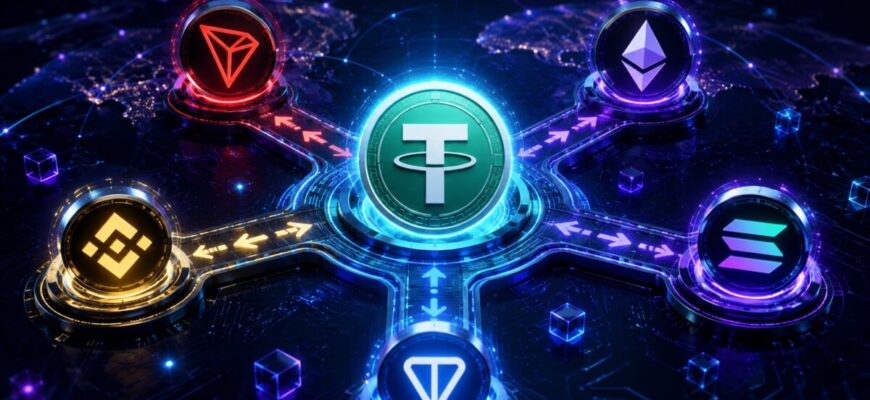
USDT is the largest stablecoin, with ~$189.5 billion in circulation, and is traded on 12+ networks simultaneously. The main mistake beginners make is confusing

Telcoin is a unique project at the intersection of blockchain, telecom, and banking. In November 2025, it received final approval to operate as the first

Short answer: sometimes yes, sometimes no — and it depends on one thing: who controls the private key of the address in the network where the funds actually ended up.

In 2026, anyone can create their own cryptocurrency in 60 seconds — literally with no coding knowledge. The easiest route is Pump.fun on Solana ($1-2 in

Crypto faucets are the easiest way to get your first cryptocurrency for free, with no investment. In 2026, they are no longer a source of income, but a

NFT (non-fungible token) is a unique digital certificate of ownership recorded on the blockchain. It confirms that you own a specific digital asset: an

Dent (DENT) is one of the oldest telecom crypto projects (since 2014), which evolved from a “mobile data exchange” into a global eSIM operator offering

In brief: A bull run is a phase of a bull market when most cryptocurrencies rise in price by tens or hundreds of percent over 12–20 months.
