In Brief
- EU banks and neobanks are required to verify the origin of funds. An incoming transfer from a crypto exchange, especially a large one or the first one to a new account, is a common reason for a freeze.
- During the review, the money remains in the account. The bank must either unblock it or return the funds after the review. They can be permanently seized only by court order or at the request of law enforcement.
- The main thing is documents proving the origin of funds: where and with what money you bought the cryptocurrency, a statement showing the sale and withdrawal, and the source of the original funds.
- A standard review takes from 2 to 15 business days; complex cases take 30–60 days.
- If the bank stays silent for more than 5 business days, file an official complaint, and then contact the regulator or financial ombudsman in the bank’s country.
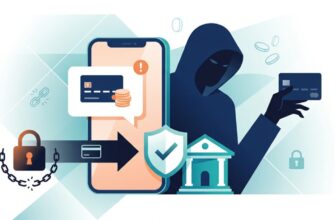
The scenario is familiar to many Ukrainians in the EU. You sold USDT on an exchange licensed under MiCA, withdrew euros via SEPA to your account, and an hour later the app reports a restriction and asks you to “confirm the source of funds.” If the bank blocked your account after a crypto exchange, this is not an accusation or confiscation. It is a required check under anti-money laundering rules. Below is what to do so it goes through quickly.
- Why the bank blocked the account
- How to unblock an account: step by step
- Which documents confirm the source of funds
- Where to file a complaint if the verification is taking too long
- How to avoid getting blocked next time
- Risks
- FAQ
- Why did the bank block the account after a transfer from a crypto exchange?
- Can the bank take my money?
- What documents does a bank need to verify the origin of money from cryptocurrency?
- How long does the verification take?
- Where should you file a complaint if the bank does not respond?
- What should you do if the bank closed your account?
Why the bank blocked the account
Typical reasons for a freeze after funds are received from a crypto exchange:
- A large amount compared with usual transactions. If the account normally receives a salary, but then €15,000 arrives from an exchange, the system will raise a flag.
- New account with no history. The first large incoming transfer to a recently opened account.
- Risky source. Crypto exchanges, anonymous wallets, countries with elevated risk.
- Mismatch with the account type. Regular incoming transfers that resemble business activity into a personal account.
- Request from the regulator or law enforcement. This is less common, and in this case the client’s documents matter less.
The bank may not explain the exact reason: EU anti-money laundering legislation prohibits it from disclosing certain details of the review to the client. This does not mean you are under suspicion — just do not expect a detailed explanation.
How to unblock an account: step by step
- Do not panic or open accounts at other banks “just in case.” The money remains in the account, and new accounts opened during the review will only raise more questions.
- Write to support through the app or the official email. State the amount, date, sender (the exchange), and that this is the sale of your own cryptocurrency.
- Prepare a document package. What exactly to attach is shown in the table below. The more complete the package, the faster the review.
- Respond quickly and fully. Every incomplete reply extends the review by days.
- If there is no response within 5 business days, file an official complaint. In the app or on the bank’s website, there is a separate channel for complaints. Save the case number.
- If the complaint did not help, contact the regulator or ombudsman. Contact details are below.
- If the bank decides to close the account, ask for an official letter. It should state the reason and the method for returning the funds. This letter will be useful when opening an account at another bank.
Which documents confirm the source of funds
| What the bank wants to understand | Which documents to attach |
|---|---|
| Where the money came from | An exchange statement showing the sale of cryptocurrency and the withdrawal of euros to your account |
| How you obtained the cryptocurrency | Purchase history on exchanges, P2P orders, payment statements |
| Where the original funds came from | Salary certificate, property sale agreement, savings statements, tax return |
| That the wallet belongs to you | An exchange statement showing the withdrawal to your address or a signed message from the address |
| That you pay taxes | Tax return or profit calculation |
We covered in detail how to compile your transaction history and prepare a summary in the guide how to calculate profit from crypto.
Example of a short cover letter in English:
Hello, the incoming transfer of EUR 15,000 on 25.10.2026 from [exchange name] is the proceeds of selling my own cryptocurrency. I bought it in 2024–2026 with my salary savings. Attached: exchange statement of the sale and withdrawal, purchase history, salary statements, tax return. I am happy to provide anything else you need. Case ID: …
Where to file a complaint if the verification is taking too long
First, file an official complaint with the bank itself. If the response is unsatisfactory or you do not receive one within the required timeframe, contact the out-of-court dispute resolution body in the country where the bank is registered:
| Where the bank is registered | Examples of services | Where to file a complaint |
|---|---|---|
| Lithuania | Revolut, Paysera | The Bank of Lithuania reviews disputes involving consumers of financial services |
| Germany | N26 | The Private Banks Ombudsman or BaFin |
| Poland | Polish banks | Financial Ombudsman (Rzecznik Finansowy) |
| Other EU countries | Local banks | National financial ombudsman or central bank |
Before contacting them, check the regulator’s website for the filing procedure and deadlines. They usually require you to first complete the bank’s internal complaint procedure.
How to avoid getting blocked next time
- Notify your bank about a large incoming transfer from an exchange, if the bank follows this practice.
- Increase amounts gradually. Make your first withdrawal from the exchange a small one.
- Keep your documents ready before the withdrawal, not after the account is blocked.
- Use your main account, not one opened “for the exchange.” An account with a history of salary payments and regular transactions raises fewer questions.
- Choose an exchange with a MiCA license. A transfer from a licensed European company looks clearer to the bank. Which exchanges are licensed is covered in the guide how to withdraw crypto in euros.
Risks
- An account can be closed even after verification. The bank has the right to stop providing services, but it must return your money.
- Concerns raised by one bank can affect others. Do not open dozens of accounts in a row after a refusal.
- No tax history. If you are a tax resident of an EU country and have not declared income from cryptocurrency, documents confirming the source of funds may already raise questions from the tax authorities.
- Phishing. Fraudsters send emails saying “your account has been blocked, confirm your details via the link.” Respond only in the bank’s app.
If it’s not a bank account that has been blocked but Wise, see the separate guide Wise blocked the account. If you need a backup account, compare the options in the article Revolut alternatives.
FAQ
Why did the bank block the account after a transfer from a crypto exchange?
EU banks must verify the source of funds. A transfer from a crypto exchange, especially a large one, the first on a new account, or one that is unusual for your normal transactions, automatically triggers a review.
Can the bank take my money?
No. After the review, the bank must unblock the account or return the funds. Money can be irreversibly seized only by court order or at the request of law enforcement authorities.
What documents does a bank need to verify the origin of money from cryptocurrency?
Exchange statement confirming the sale and withdrawal, cryptocurrency purchase history, proof of the source of the initial funds (salary, sale of property, savings), and a tax return, if available.
How long does the verification take?
Standard verification usually takes from 2 to 15 business days; complex cases take from 30 to 60 days. A complete and prompt response to the bank’s requests shortens the timeframe.
Where should you file a complaint if the bank does not respond?
First, file an official complaint with the bank itself. If there is no response or it does not satisfy you, contact the financial ombudsman or the regulator in the country where the bank is registered.
What should you do if the bank closed your account?
Request an official letter stating the reason for the closure and the method for returning the funds. Provide the details of another account in your name for transferring the remaining balance.